
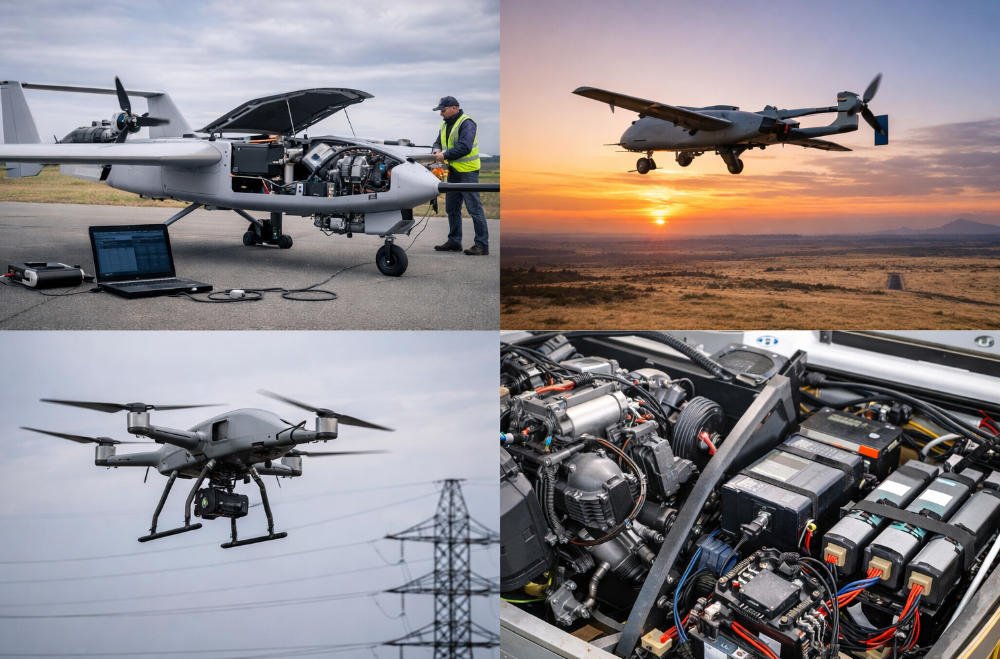
In the evolving landscape of unmanned aerial vehicles (UAVs), propulsion technology plays a critical role in determining endurance, efficiency, and operational capability. Among emerging innovations, hybrid UAV propulsion systems stand out by bridging traditional combustion engines and advanced electric powertrains. At UAV Power, we recognize that hybrid solutions are reshaping drone performance across industrial, commercial, and defense applications.
This article delves into the architecture of hybrid UAV propulsion systems and highlights the primary benefits that make them indispensable for next-generation aerial platforms.
What Are Hybrid UAV Propulsion Systems?
A hybrid UAV propulsion system combines two or more distinct power sources—typically a conventional internal combustion engine (ICE) and an electric propulsion unit. The hybrid configuration enables UAVs to operate efficiently across varied mission profiles by switching between or simultaneously using multiple power modes.
Unlike purely electric or traditional fuel-based systems, hybrid UAV powertrains are engineered to maximize performance without sacrificing operational flexibility.
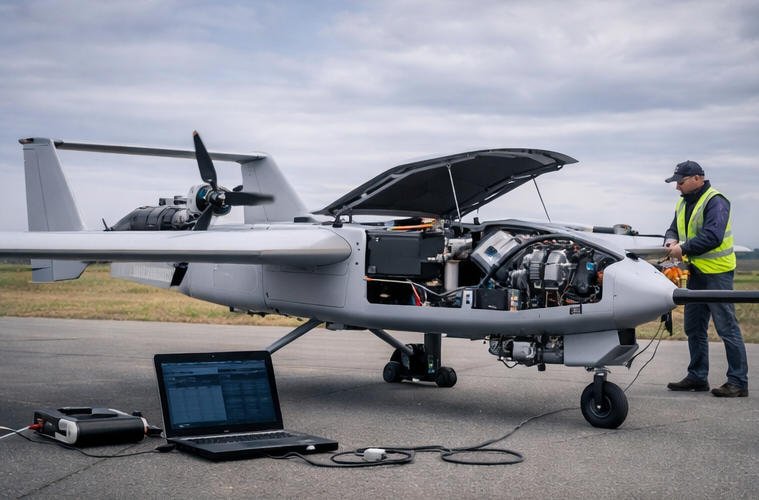
Core Architecture of Hybrid UAV Propulsion Systems
Understanding the architecture of hybrid UAV propulsion systems reveals how they integrate multiple technologies to unlock enhanced capabilities.
1. Dual-Source Powertrain
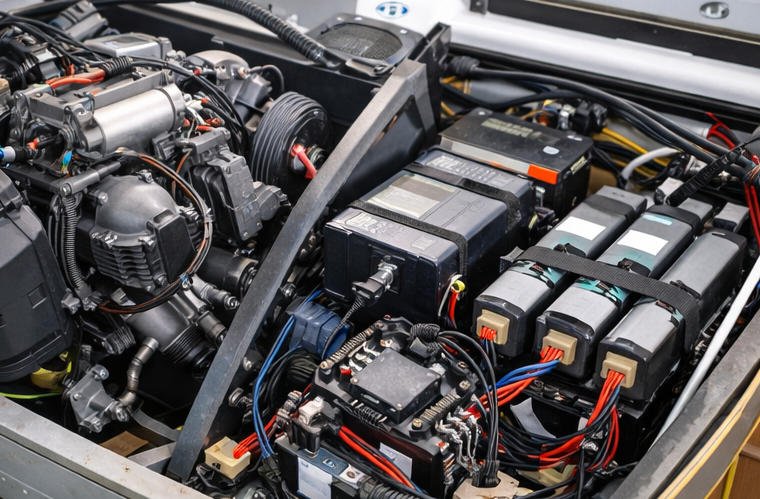
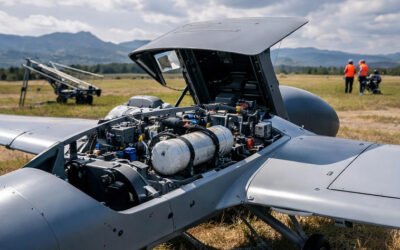
At the heart of hybrid UAV propulsion is the dual-source powertrain, which includes:
- Internal Combustion Engine (ICE): Typically fueled by gasoline, diesel, or biofuel, providing high energy density.
- Electric Motor System: Driven by onboard batteries or ultracapacitors, delivering instant torque and silent operation.
This twin configuration allows seamless transition between power sources based on mission demands.
2. Power Management Unit (PMU)
The power management unit intelligently controls how energy flows between the fuel engine, electric system, and propulsion outputs. It ensures:
- Optimal load sharing
- Safe transition between modes
- Power balancing for efficiency
3. Energy Storage Subsystem
Hybrid UAVs rely on a combination of:
- High-capacity batteries for electric propulsion bursts
- Fuel tanks for long-duration endurance
This subsystem is crucial for maintaining performance and maximizing flight time.
4. Integrated Control System
An advanced flight control and propulsion management system seamlessly coordinates propulsion modes, adapting in real time to:
- Airspeed
- Altitude
- Mission objectives
- Fuel and energy levels
Key Benefits of Hybrid UAV Propulsion Systems
The hybrid UAV propulsion architecture delivers significant advantages that directly impact performance, cost, and mission flexibility.
1. Extended Endurance
One of the most compelling benefits of hybrid UAV propulsion is extended flight time. By combining high-energy fuel sources with electric propulsion, hybrids can outperform purely electric UAVs in long-range missions without frequent recharging.
This makes them ideal for applications such as:
- Long-distance surveillance
- Agriculture mapping
- Infrastructure monitoring
- Emergency response
2. Improved Energy Efficiency
Hybrid UAVs intelligently allocate power—using electric propulsion for low-energy cruising and combustion engines for high-load phases. This optimized energy usage enhances overall efficiency and reduces operational cost per flight hour.
3. Lower Acoustic Signature
During electric-powered phases, hybrid UAVs produce minimal noise, which is beneficial for:
- Urban operations
- Wildlife monitoring
- Stealth applications
Reduced noise also supports compliance with evolving regulatory noise restrictions in civilian airspace.
4. Increased Mission Flexibility
Hybrid UAV propulsion systems can adapt to dynamic mission profiles. Operators can select power modes based on:
- Payload demands
- Speed requirements
- Environmental conditions
This versatility makes hybrid drones suitable for both demanding commercial tasks and tactical deployments.
5. Redundant Power Architecture
A hybrid setup naturally offers redundancy. If one system fails, the UAV can continue using the other, enhancing reliability and safety—a crucial factor for manned-equivalent performance expectations.
Applications Driving Hybrid UAV Adoption
Hybrid propulsion is gaining traction across multiple industries:
- Defense & Security: Extended loiter times and stealthy electric segments improve reconnaissance.
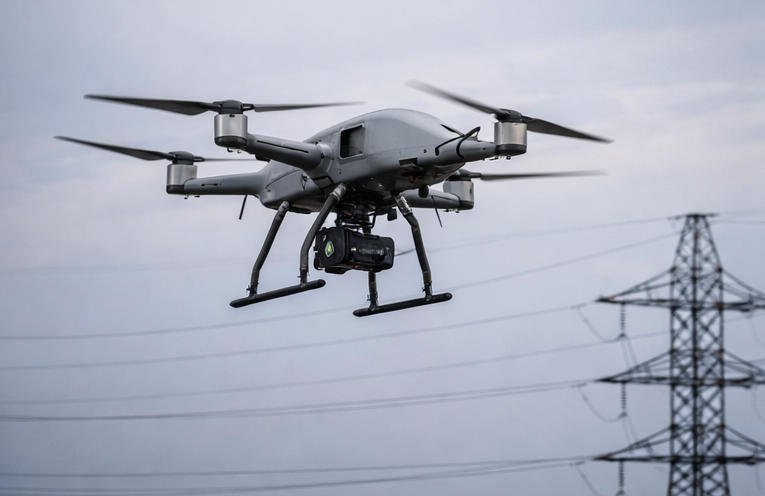
- Industrial Inspection: Long missions over pipelines, power lines, and remote infrastructure.
- Agriculture: Wide-area crop analysis without frequent battery swaps.
- Emergency Services: Rapid deployment with endurance for search and rescue operations.
These expanding roles underscore the need for robust, efficient, and flexible propulsion systems—a niche where hybrid UAV architecture excels.
Future Trends in Hybrid UAV Propulsion
As energy storage technology evolves and lightweight materials improve, hybrid UAV propulsion is poised for accelerated innovation:
- Integration with solar energy harvesting
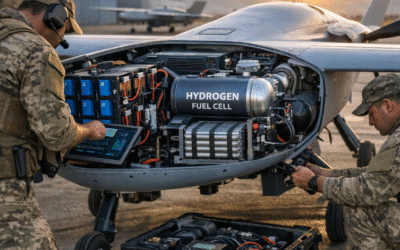
- Advanced fuel cells for cleaner combustion
- Improved power electronics for enhanced energy transfer
- AI-driven power optimization
At UAV Power, we monitor these trends to help clients adopt cutting-edge propulsion technologies that deliver real world value.
Hybrid UAV propulsion systems represent a transformative advance in drone technology. By combining the strengths of combustion and electric power, hybrid UAVs offer superior endurance, efficiency, mission flexibility, and reliability. Whether for commercial operations or strategic missions, hybrid propulsion opens new frontiers in UAV performance.
Explore how hybrid power solutions can elevate your UAV platform with UAVPower—your gateway to next-generation propulsion innovation.

0 Comments